Systems

Mobile Fleet Wash Systems

High-volume systems built to wash trucks, vans and equipment fleets on-site, fast, without pulling vehicles out of rotation.

Mobile fleet washing allows professional cleaning businesses to wash trucks, vans, service vehicles and other commercial fleets directly at the customer's location. DETRAILERS builds mobile fleet washing equipment for operators who bring the wash system to the fleet — not fixed wash bays or automated drive-through truck wash systems.

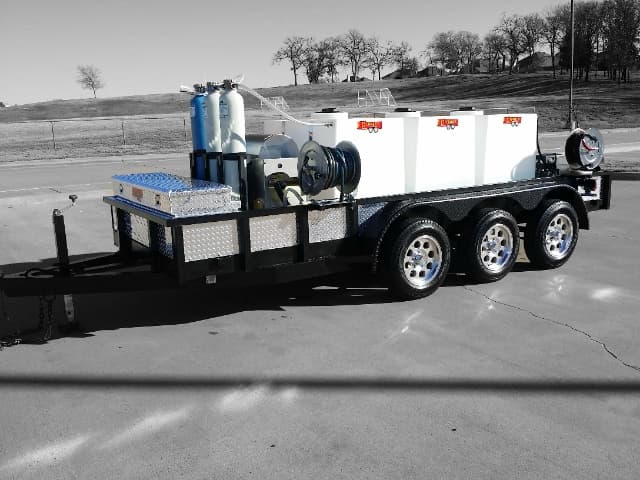
Because fleet washing involves cleaning multiple vehicles efficiently, mobile fleet wash systems typically require substantial water capacity, high-flow equipment and an effective spot-free rinse system. DETRAILERS can build these systems as trailer-mounted or truck-mounted configurations, depending on the operator's needs, vehicle capacity and the types of fleets being serviced.

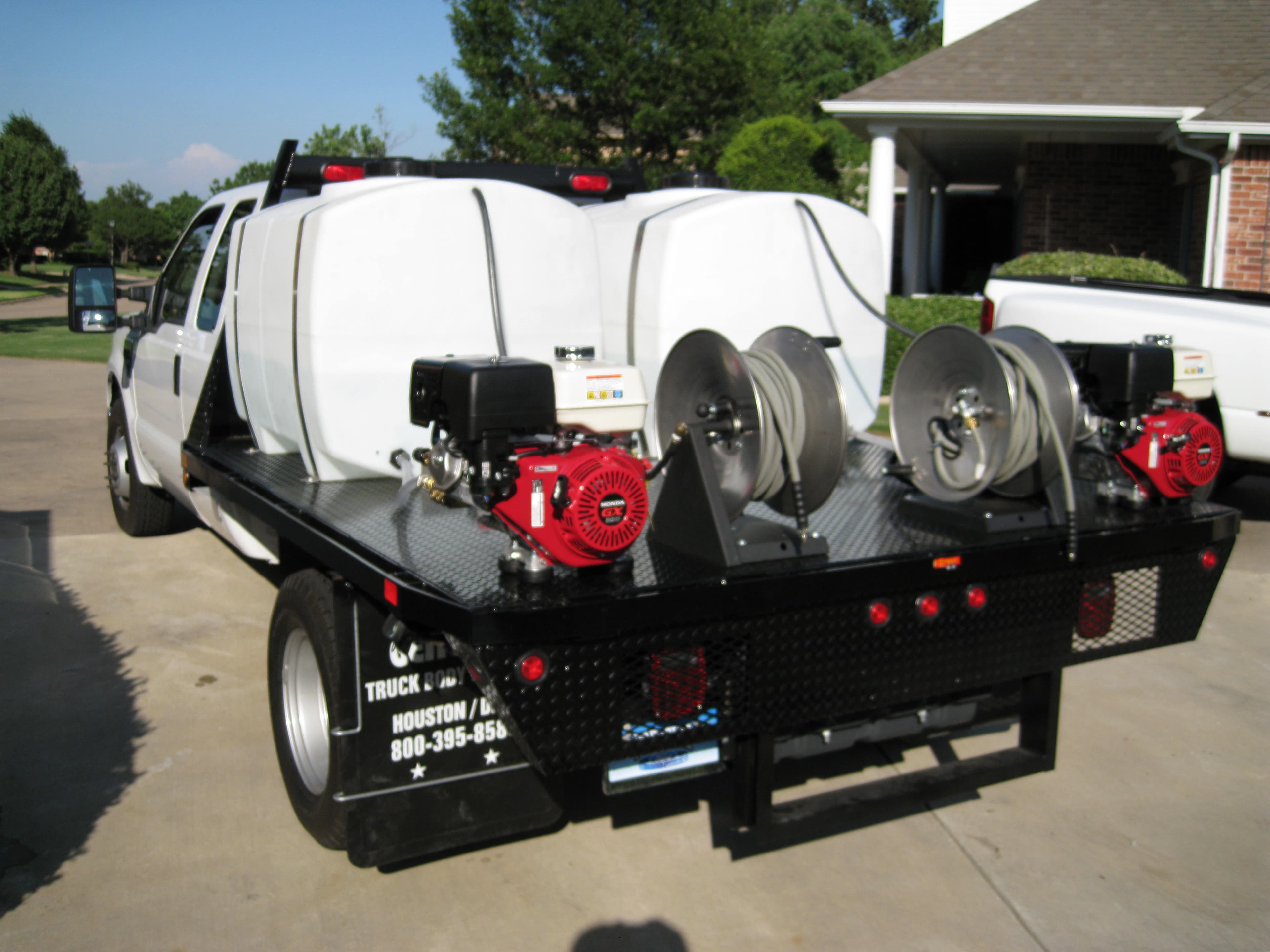
Our mobile fleet washing equipment can be configured as a trailer-mounted system or custom-built for mounting on a truck, giving operators the flexibility to choose the setup that best fits their business and the fleets they service.
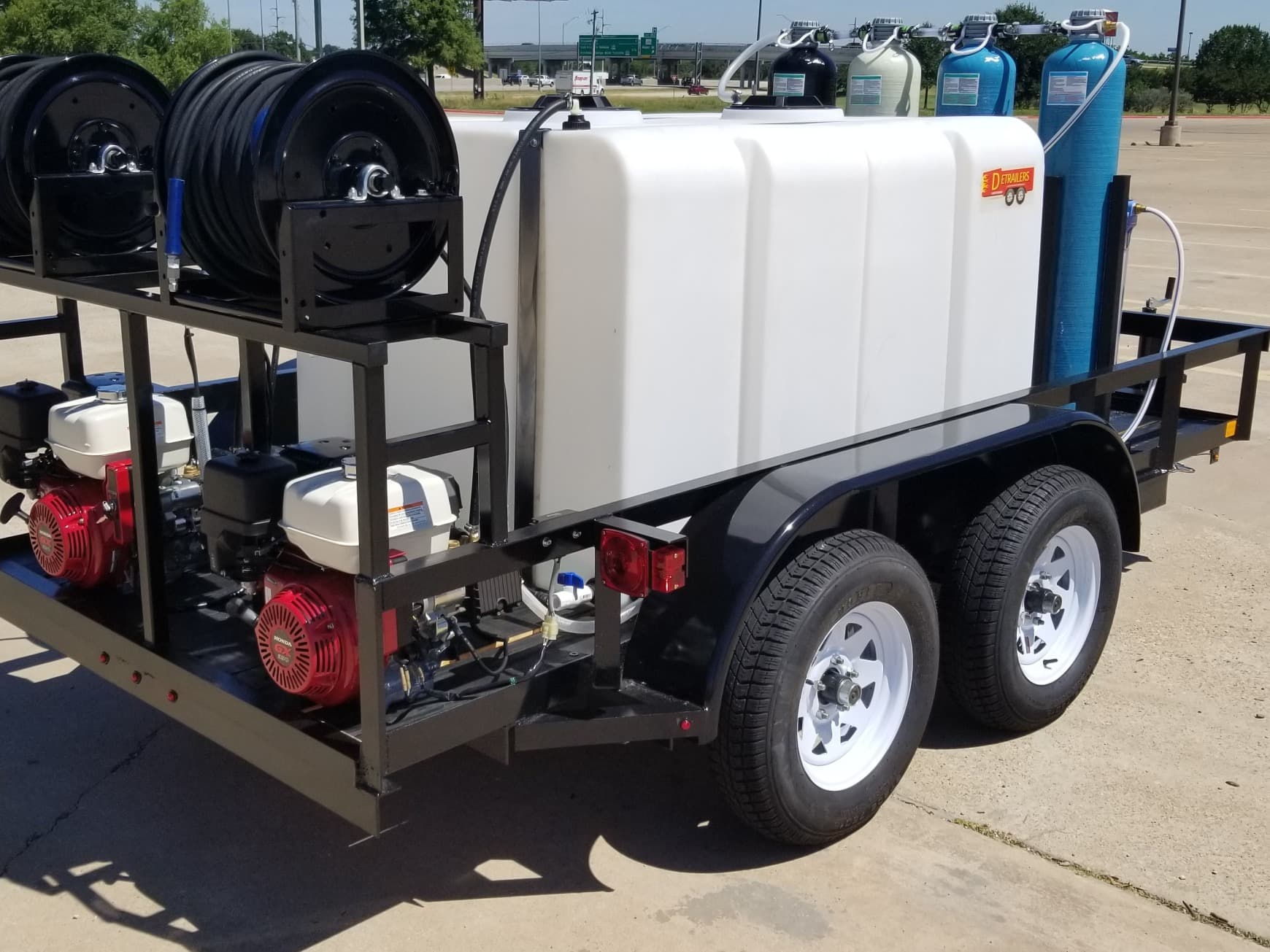
Fleet Washing models

DETRAILERS fleet wash systems are configured around the types of vehicles you'll be washing, the volume of work you expect, and how you plan to operate. Because fleet-washing needs can vary significantly from one operation to another, we configure each system around the customer's specific application rather than limiting the category to a fixed model lineup.

Examples of past custom fleet builds

These historical projects show how DETRAILERS has configured equipment for different fleet applications. They are examples of completed custom builds, not current standard packages. Your system needs its own equipment specification, quote and schedule.

Historical DETRAILERS DBP 600 bus-wash trailer with onboard tanks and hose reels

DBP 600: washing and servicing tour buses

This custom bus-wash build combined a dual-line hot-water setup with separate tap-water and spot-free storage: 400 gallons and 200 gallons respectively. It illustrates how wash and rinse requirements can shape the water arrangement.

See the historical DBP 600 build
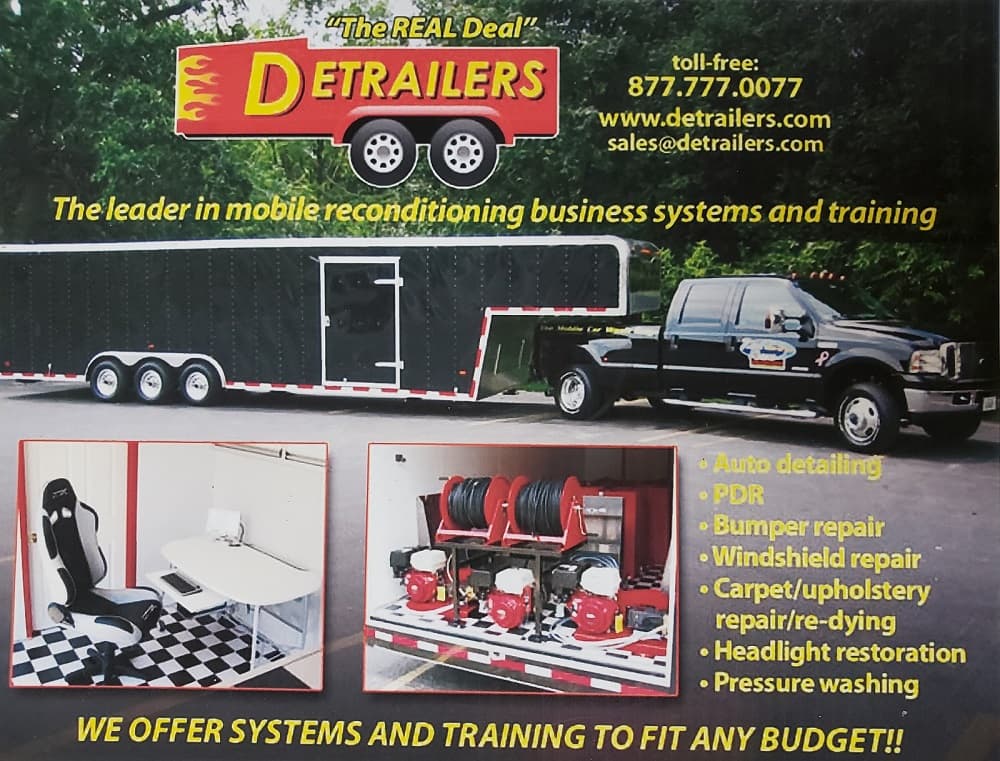
Archived DETRAILERS Dominator brochure showing its enclosed trailer and equipment layout

Dominator: capacity and extended reach

This historical enclosed fleet-washing project carried 1,000 gallons, twin pressure washers and two 500-foot hoses. Its customer application called for washing many vehicles while repositioning the trailer as little as possible.

See the historical Dominator build

See the equipment before you choose

Review completed builds, manufacturer videos and customer feedback alongside your equipment specification. Photos and past projects illustrate individual configurations; confirm the equipment, water capacity and options included in your own quote.

Related Guides

Choosing your system

What fleet information matters for a quote?

List the vehicle types, approximate vehicles per visit, where they are parked, the available water supply and how many operators will work at once. A route serving vans can require a different layout from one serving large trucks.

Is this a fixed or drive-through wash?

No. These are mobile systems that travel to the fleet. DETRAILERS configures trailer-mounted or truck-mounted equipment around the application, water supply and carrying capacity.

Do I need spot-free water for the whole wash?

Discuss whether spot-free water is needed full-time or only for the final rinse. Filtration and tank requirements depend on the water source, vehicle volume and selected wash process.

What equipment should I compare in a mobile fleet wash system?

Compare onboard water storage, pump flow, hot-water capability, chemical application, hose reels and reach, operator count, and spot-free rinse equipment. Ask for an itemized specification so you can compare systems for the same fleet route rather than assuming every photographed accessory is included.

How should I size water capacity and flow for a fleet route?

Start with the types and number of vehicles per visit, the wash process and access to refill water. More operators need enough available flow at each line; a larger tank also adds weight. Specify usable water capacity and the flow available with all planned operators working, then check the complete loaded system against the vehicle or trailer capacity.

How do fleet washing and commercial truck washing equipment differ?

Fleet washing can cover cars, vans, service vehicles, buses and trucks. A route dominated by semis or heavily soiled commercial trucks may need a different hot-water, chemical and hose configuration from a light-duty vehicle fleet. Choose the equipment around the vehicles and cleaning work, not only the category name.

Can a past custom build help me choose a system?

Yes. The historical DBP 600 bus-wash project shows separate wash and spot-free water storage, while the Dominator shows a layout built around substantial capacity and extended hose reach. These examples help explain design choices; their specifications are not a standard package or a performance promise for your new system.

Ready to build the perfect rig?

Tell us what you want to clean and your budget. We'll design a system that fits, with no pressure and no upsell.